Autumn has arrived. Gusts of wind carry countless leaves that gather a few yards away. In the streets they have become nothing more than shapeless mud, while in the gardens they cover the ground like a patchwork carpet. The wind is colder now, and the days much shorter. By the light of an oil lamp, I immerse myself in Catherine’s documents: John ROE (1772–1850).
It is almost cold this evening. A log, a few twigs, a match… the crackling of the kindling catching fire, the dancing glow within the hearth, the warmth upon my face fill me with a familiar drowsiness. I pull the chaise longue closer to the fire and settle into it. Sleep begins to overtake me.
NO, get up! You have work to do.
I sort the documents spread before me: almanacs, Jamaican and English records. Let us see first what can be drawn from these pages.
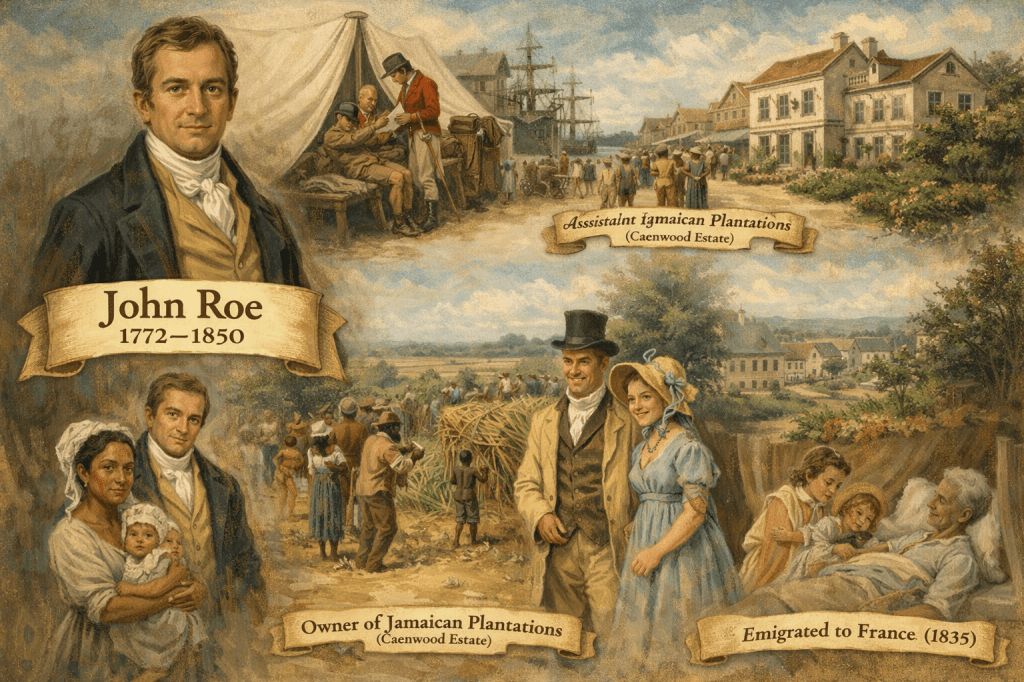
In the 1805 almanac, he is listed as a military man, an assistant surgeon. I also possess a work entitled Centre for the Study of the Legacies of British Slavery.
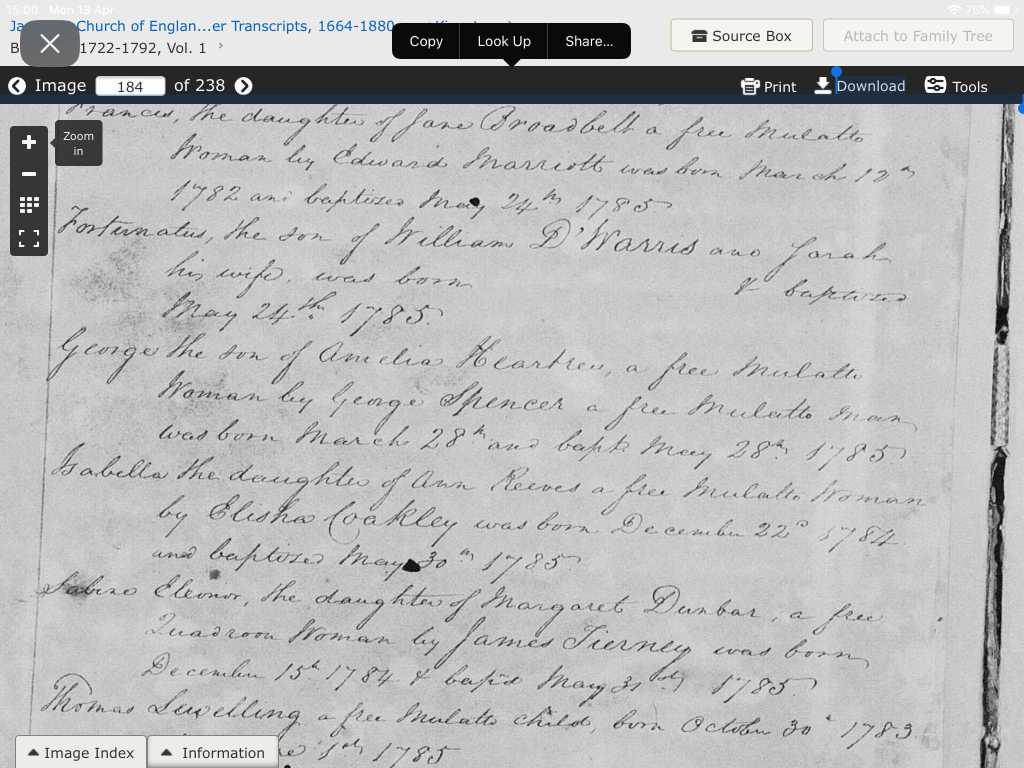
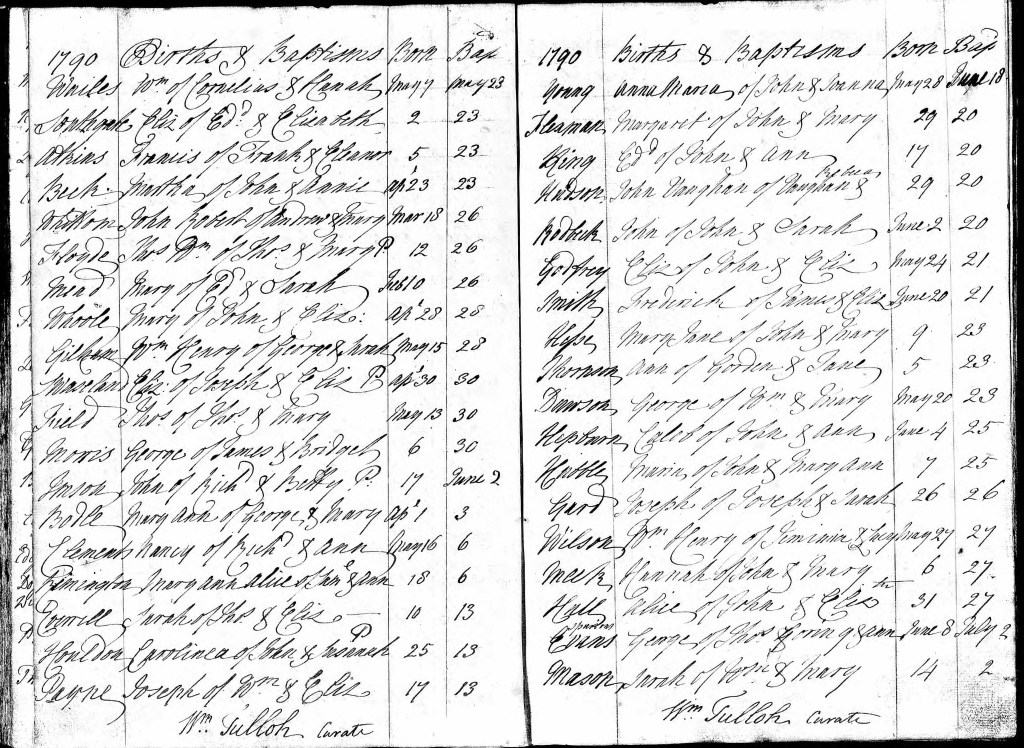
I begin by examining baptism, marriage and death records. The registers are carefully maintained. Race and the father’s name are recorded, and sometimes the mother’s as well if she comes from a known family. On certain plantations, enslaved people bear the surname of their master and are given English first names.
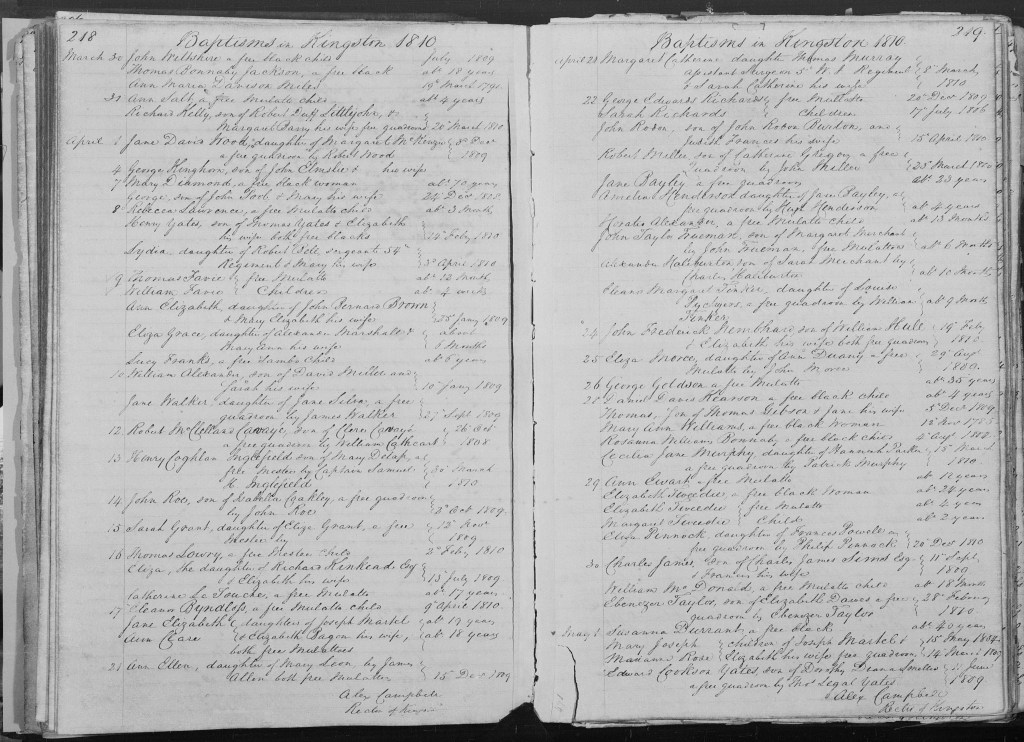
I can rely upon the baptism record of Mary, dated October 28, 1806, in Kingston. She is the daughter of Isabella COAKLEY, a free quadroon woman (one-quarter Black ancestry), and John ROE.
From 1806 to 1814, he had four other children with Isabella.
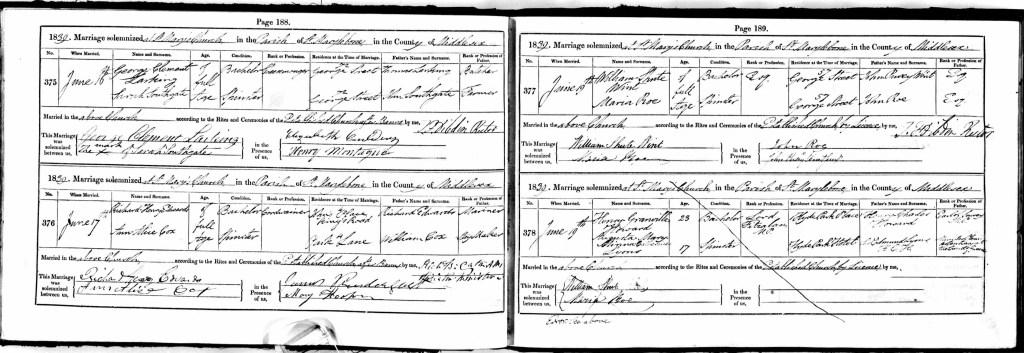
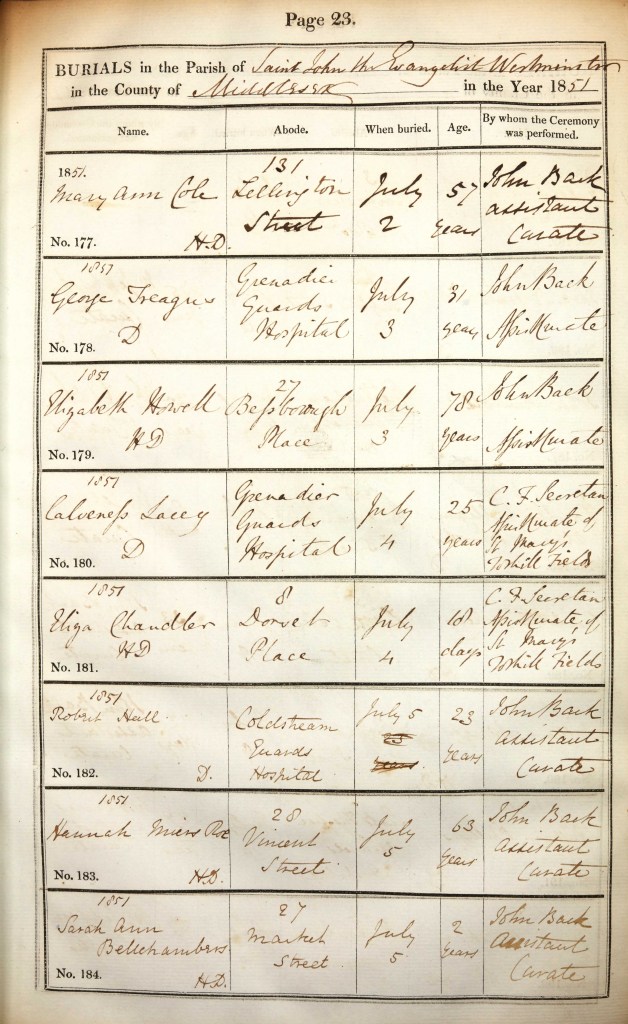
Here is one of the registers in which I searched for information.
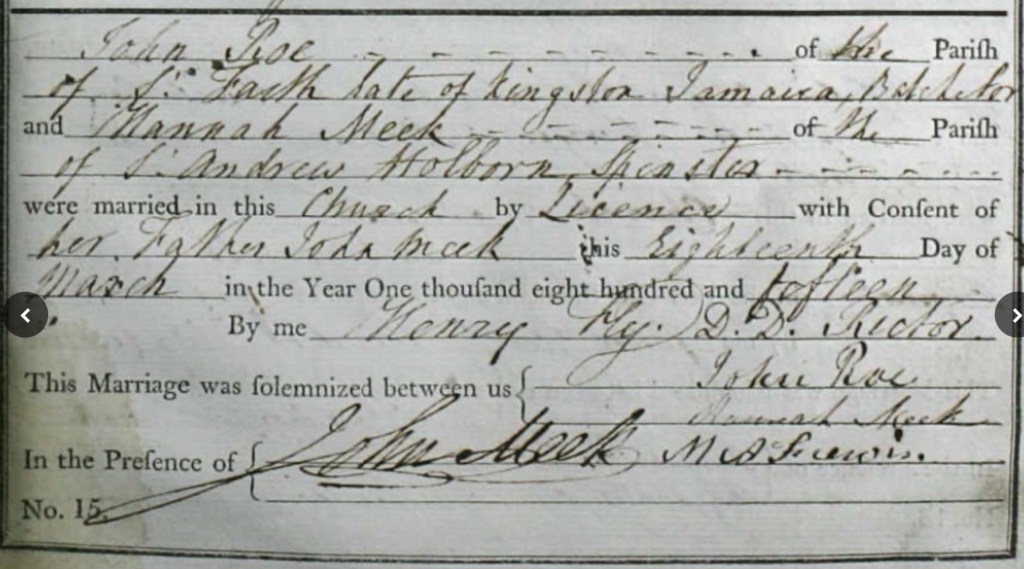
The following year, he married Hannah MEEK in England; he needed heirs.
In December 1816, their daughter Maria was born in Kingston. Hannah’s father was a well-known planter, which is why her mother’s maiden name was recorded.
From 1815 to 1819, he owned the Belgar plantation in the parish of Saint Thomas in the Vale, later incorporated into St Catherine.
From 1816 to 1826, he co-owned the Caenwood Estate plantation in St George with his father-in-law John MEEK. Upon the latter’s death, he became sole owner until his departure for France.
In the 1817 almanac, I discover that he was one of the physicians at the Kingston prison. He also supervised vaccinations and practised medicine at the public hospital.
In 1826, following the death of his father-in-law, he continued practising medicine while becoming sole owner of the estate.
According to this document, the Caenwood Estate was managed not only by John MEEK and John ROE, but also by lawyers. When John drafted his will in 1835, he made no mention of this property; he must therefore have sold it around 1834.
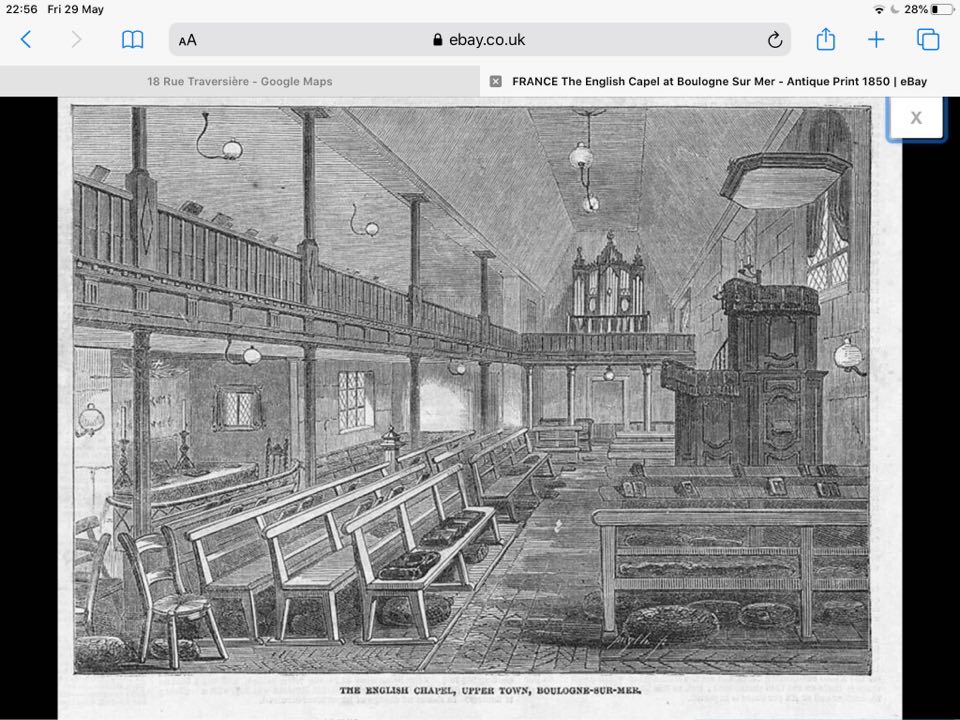
In 1835, he emigrated to France and purchased a property in Saint-Martin-Boulogne near Boulogne-sur-Mer. His daughter, his son-in-law, and the son-in-law’s parents also settled in the region.
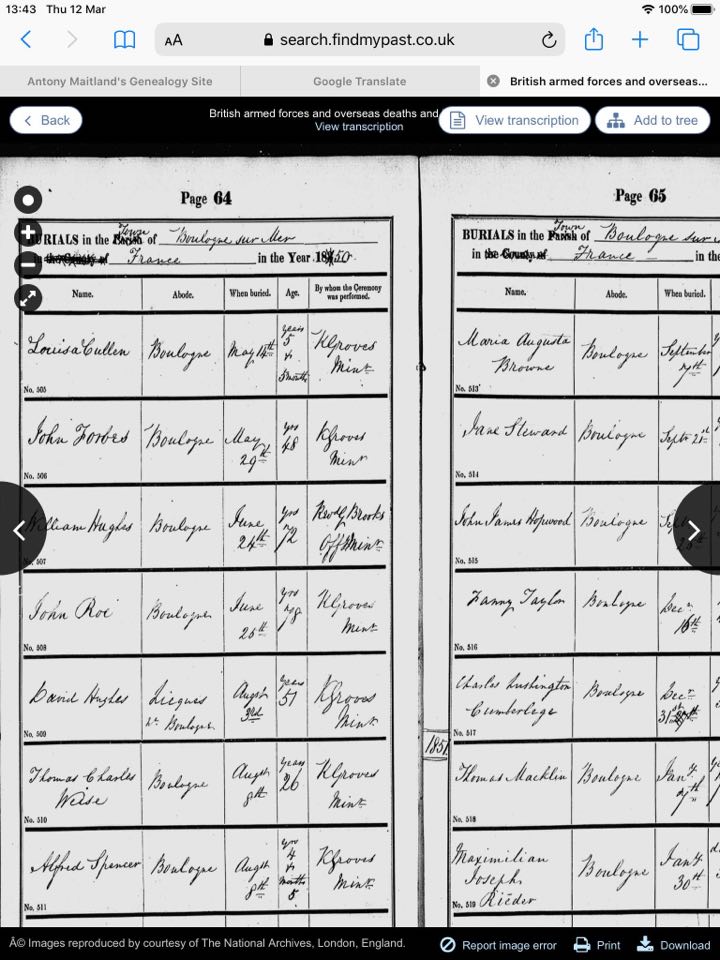
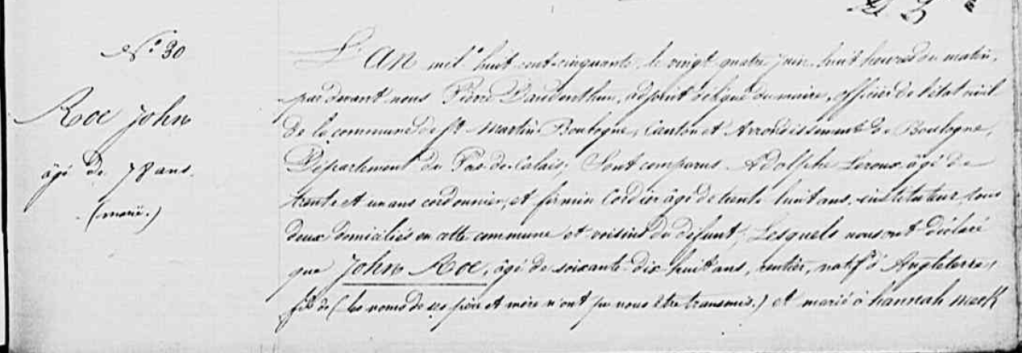
It was in 1850 that he died in Boulogne-sur-Mer. His wife, daughter and granddaughter returned to England afterward.
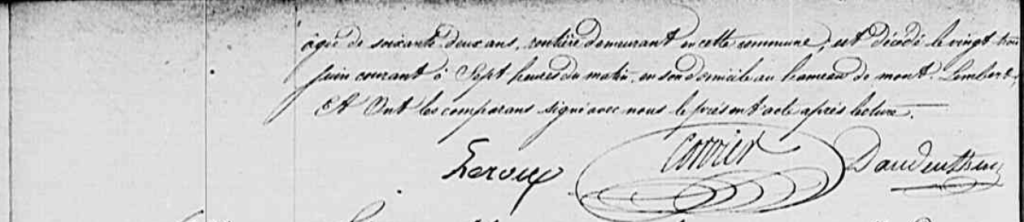
I was able to determine his year of birth thanks to his age recorded on the day of his death.
Now that the disorder of my thoughts has been carefully laid out upon these pages, I can finally allow myself some rest.
Half past one! I shall not look very fresh today.
The fire is dying down, so I place a large log upon it. In the fireplace itself, resting on the floor, a pot filled with bacon soup waits for me to serve myself. A generous bowl accompanied by the bread bought this morning leaves me feeling satisfied. All that remains is to go to bed.
I close the curtains made of heavy velvet. The wind makes the butcher’s sign creak; the sound is sinister.
Quickly, to bed!
Morpheus awaits me. He carries me away, farther and farther… but where?
The air is oppressively hot and humid. Thousands of orange trees surround me. Somewhere in the distance, a woman is singing. I recognise the melody instantly.
I am in Jamaica.
I walk toward the marvellous voice that sets the rhythm for the plantation workers. It is harvest time, and nearly all the enslaved workers are already at their tasks while an overseer scolds those arriving late.
The owners do not live on the estate itself. A carriage is summoned to take me to Kingston. I am dressed appropriately for the occasion: a skirt and blouse of fine pale green cotton, layered petticoats and the other necessary garments, completed by a wide-brimmed hat and a matching parasol.
I arrive in a city where men and women of every rank, condition and race mingle together. Carriages, freight wagons, noise and shouting fill the streets. Amidst the chaos, the cry of a merchant captures my attention. I push my way through the crowd gathered around his stall.
Being small, I try to move as close as possible.
The man standing before me steps aside.
I am horrified.
Reading the word slave in a document is one thing; witnessing the sale of human beings is another entirely. Describing what I see is impossible. Every part of my being rejects it.
I go to meet John and Hannah ROE. I explain what I have just witnessed and how deeply it has affected me.
For their part, they were raised to believe that people of colour possessed no soul and were worth less than an animal. For decades, slave traders spread this belief.
Yet through living and working beside the people brought from Africa, they gradually learned to know them, to recognise in their eyes and in their way of life the very same humanity found among white people and, as a result, to treat them with greater consideration.
Traditions and customs remain deeply rooted in people’s minds. They must conform to them in order not to be excluded from their community.
Sadly, they know landowners who brutalise their enslaved workers. Others, however, demand in their wills that their heirs treat them well, under penalty of losing their inheritance.
This conversation makes my hosts uncomfortable, so I steer the discussion toward his work as physician at the prison, the competition he entered for his orangery, his daughter, and France.
Yes, France — where they intend to settle.
I speak to them of my region, of the rain, the wind and the cold. All words that make the couple shiver with happiness.
I try to lead the discussion toward his life before the army and his studies, but his answers remain as vague and mysterious as his English origins.
We continue chatting for some time, but their voices begin to fade away. I know what that means.
I am about to wake up…
My God — ten o’clock already!



 A rebrousse temps généalogie